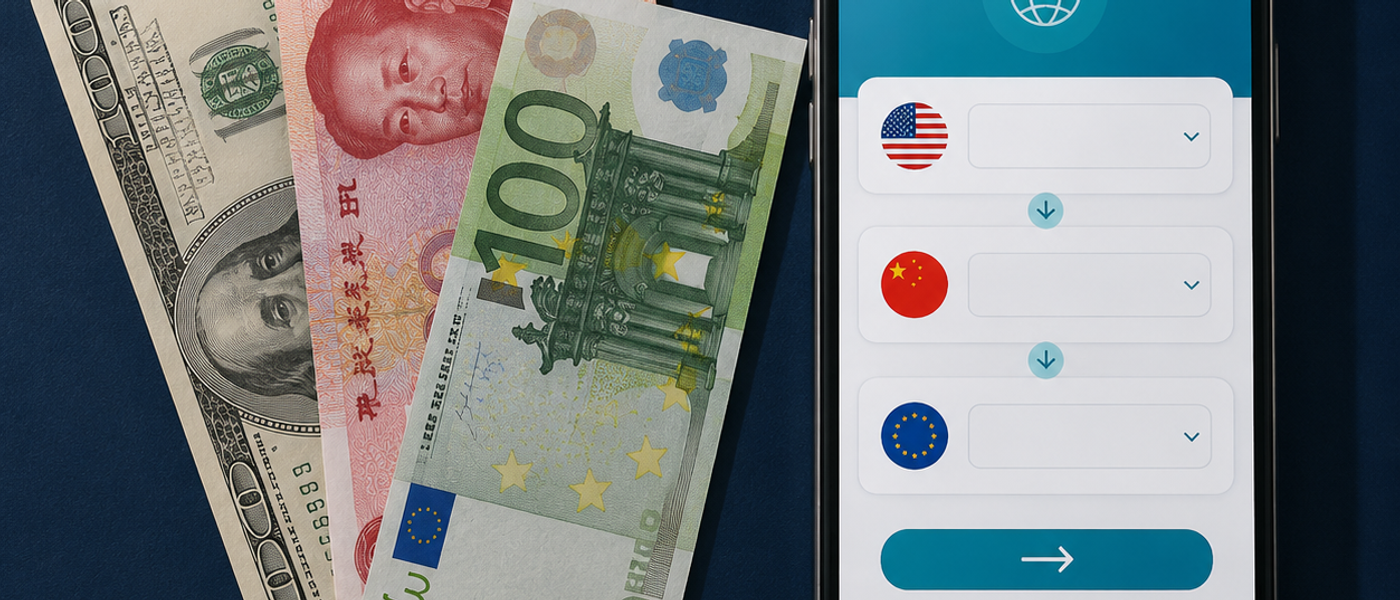
The Yuan in Oil and Gas Settlement: Why Multi-Currency Trade Finance Is No Longer Optional
In March 2026, China National Offshore Oil Corporation settled the purchase of 65,000 tonnes of LNG from TotalEnergies in Chinese yuan through Shanghai Petroleum and Natural Gas Exchange. This was the first international LNG transaction settled in yuan.
This is a single transaction. Its significance is not the volume. Its significance is the direction it marks: commodity settlement in a broader range of currencies is becoming a commercial reality, not a policy proposal.
What Changed and Why It Matters
The USD has been the default settlement currency for oil, gas, and most major commodity markets for decades. That arrangement is changing. The yuan is now the world's fifth-largest payment currency and the third-largest in trade settlement. China is the largest buyer of oil and gas globally. As China moves to settle a growing proportion of its energy imports in yuan, commodity trading firms without multi-currency settlement capability face a structural disadvantage.
The transition is directional. The China-GCC relationship, in which yuan settlement of oil and gas trades was a stated objective, is one of several indicators pointing the same way. Russia-China energy trade increasingly settles in a 50-50 split between rubles and yuan. The pattern is consistent.
The Practical Infrastructure Required
Receiving payment in yuan from a Chinese counterparty requires either a yuan-denominated account or a conversion mechanism at settlement. For a commodity business accustomed to settling entirely in USD, this represents a new operational requirement.
Multi-currency accounts held through regulated institutional banking partners allow a business to hold yuan balances received from Chinese counterparties. Settlement converts at a point of the business's choosing rather than at the moment a payment arrives. The FX management decision becomes deliberate rather than reactive.
The Broader Direction
Yuan settlement in commodities is one element of a broader shift toward multi-currency trade finance. Gulf Cooperation Council producers are in active discussions about pricing a proportion of exports in non-USD currencies. Indian counterparties are settling a growing proportion of trade in rupees. A commodity business that maintains USD-only settlement infrastructure is building a constraint into its operations that will compound over time.
Building Multi-Currency Capability
For commodity businesses active in oil, gas, and other physical commodities across multiple jurisdictions, the time to build multi-currency settlement capability is before the need is urgent. Onboarding with an institutional banking partner covering multiple currencies and payment rails takes time. Starting the process in anticipation of demand is the controlled approach.
Clement Associates provides private, relationship-driven access to commodity counterparties and financial infrastructure partners. All introductions are made through established, verified relationships. To open a conversation, connect with us through our website or through an existing introduction.